.png)
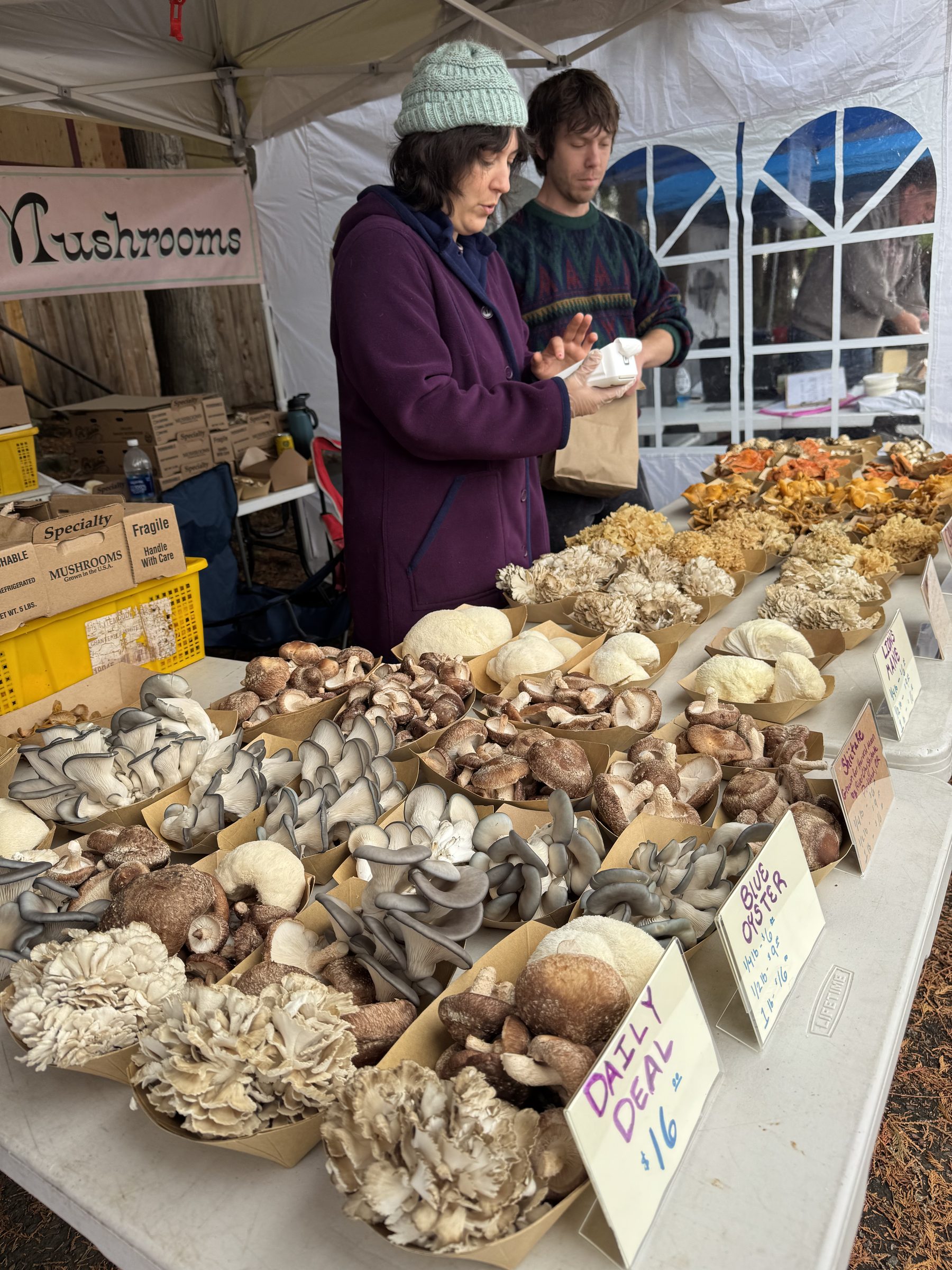
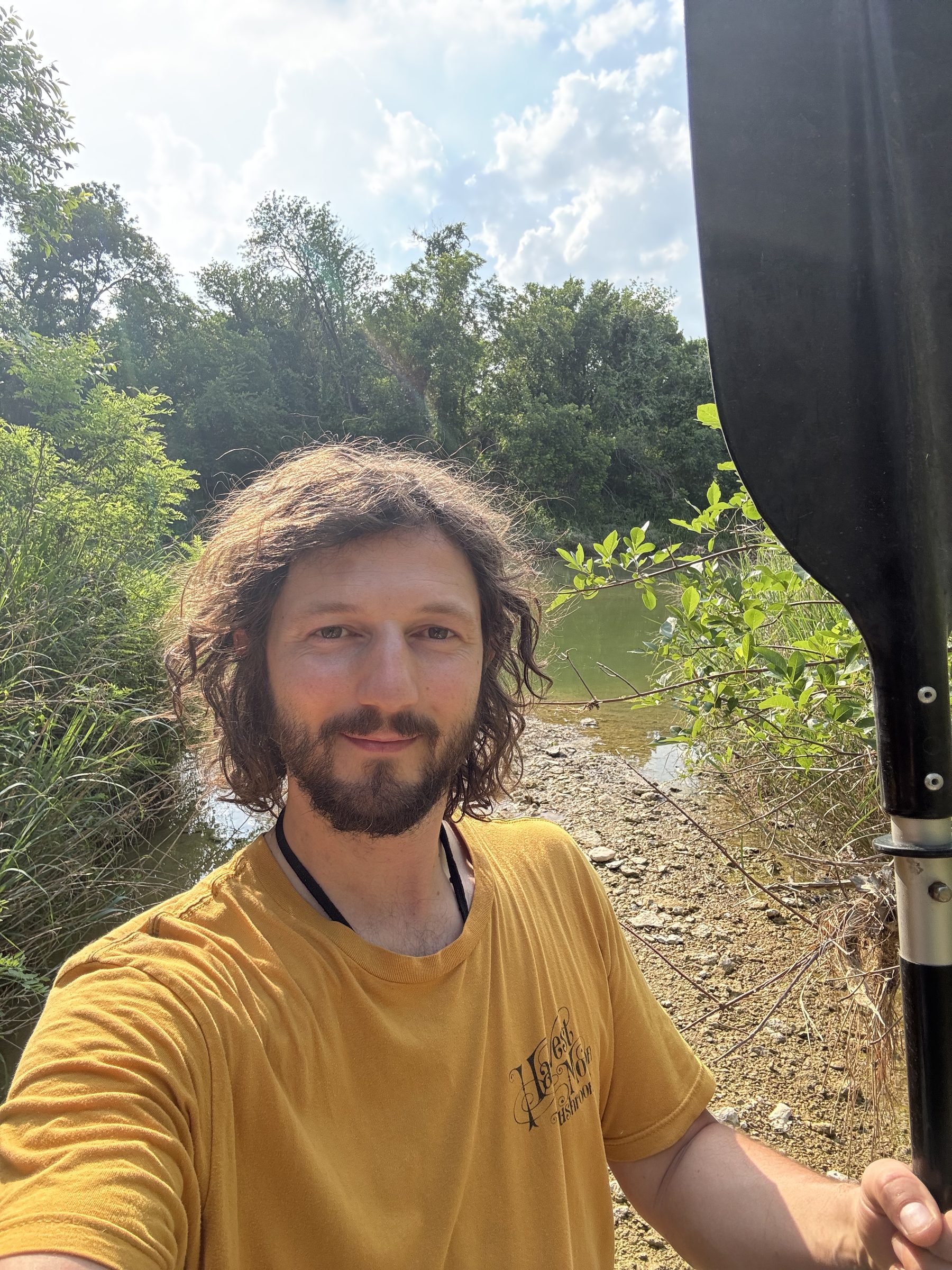
Grown Fresh in Portland, Oregon
There is a whole invisible world I am working with and trying not to have work against me. A lot of things can go wrong. There is a lot of what feels like magic involved — things you never really know until you see the results.
Somewhere between science and magic
Mushrooms live somewhere between science and magic. They can look alien and taste delightfully savory. Sometimes they grow fast enough to watch. They need to be cared for in a lab-like space — sterile equipment, strict protocols, no shortcuts.
Mushrooms are extremely selective and can be affected by microscopic particles that are all around us. Things that can’t be seen with the naked eye like bacteria, yeast, mold are competing for the same nutrients. For anyone growing their own mushrooms, that invisible element can be damning. I have experienced a lot of costly devastating failures. There is a lot out of my control.
I’m just trying to be a shepherd for the mycelium. A guardian for the mycelium so the mushrooms can by ushered into existence .
How I got into mushrooms
I’ve been fascinated with mushrooms since I was pretty young. Growing up in the PNW, I would get excited about them after the first rains of fall. I learned how to do a spore print, I joined online forums, I learned a lot through reading books like The Mushroom Cultivator.
I spent my early adulthood traveling and exploring from Alaska to Louisiana and the whole time I felt the pull back to the Pacific Northwest — back to the mushrooms. So I saved my money, worked hard, and put it into the thing I actually cared about. I spent a summer fishing in Alaska and years working as a commercial diver in The Gulf with every intention on making my way back to the PNW.
Then I came back to Portland and it fell into place. Revisiting my roots, revisiting the place where my interest in mushrooms was created. I heard the calling and knew it was possible to do here. I had the resources, the outlets, the weather was right. I got lucky — someone was selling their mushroom business and I made them an offer of all the money I had. They took it.
From my basement to a greenhouse
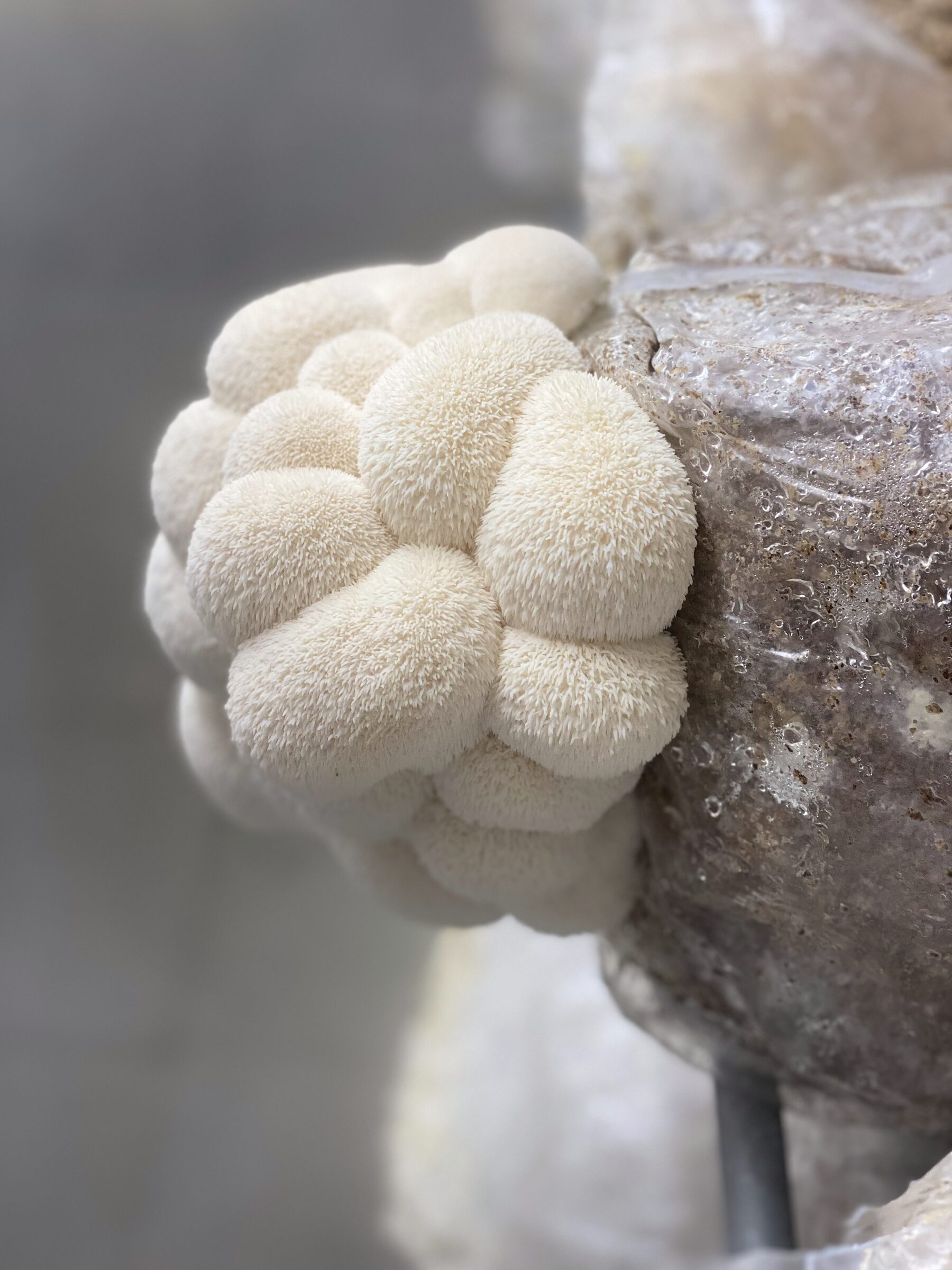
That is how Harvest Moon Mushrooms was spored. I started with lion’s mane in a small space in my basement. Now I grow in a full detached greenhouse, temperature controlled and hyper-efficient.
Growing in an urban environment, I don’t have a lot of space for byproducts or waste. I spend a lot of time thinking about how I can be more efficient and sustainable.
Why oyster mushrooms are my favorite
Combatting invisible elements, finessing sterile technique, managing waste products — that is the job. The joy comes from the mushrooms themselves.
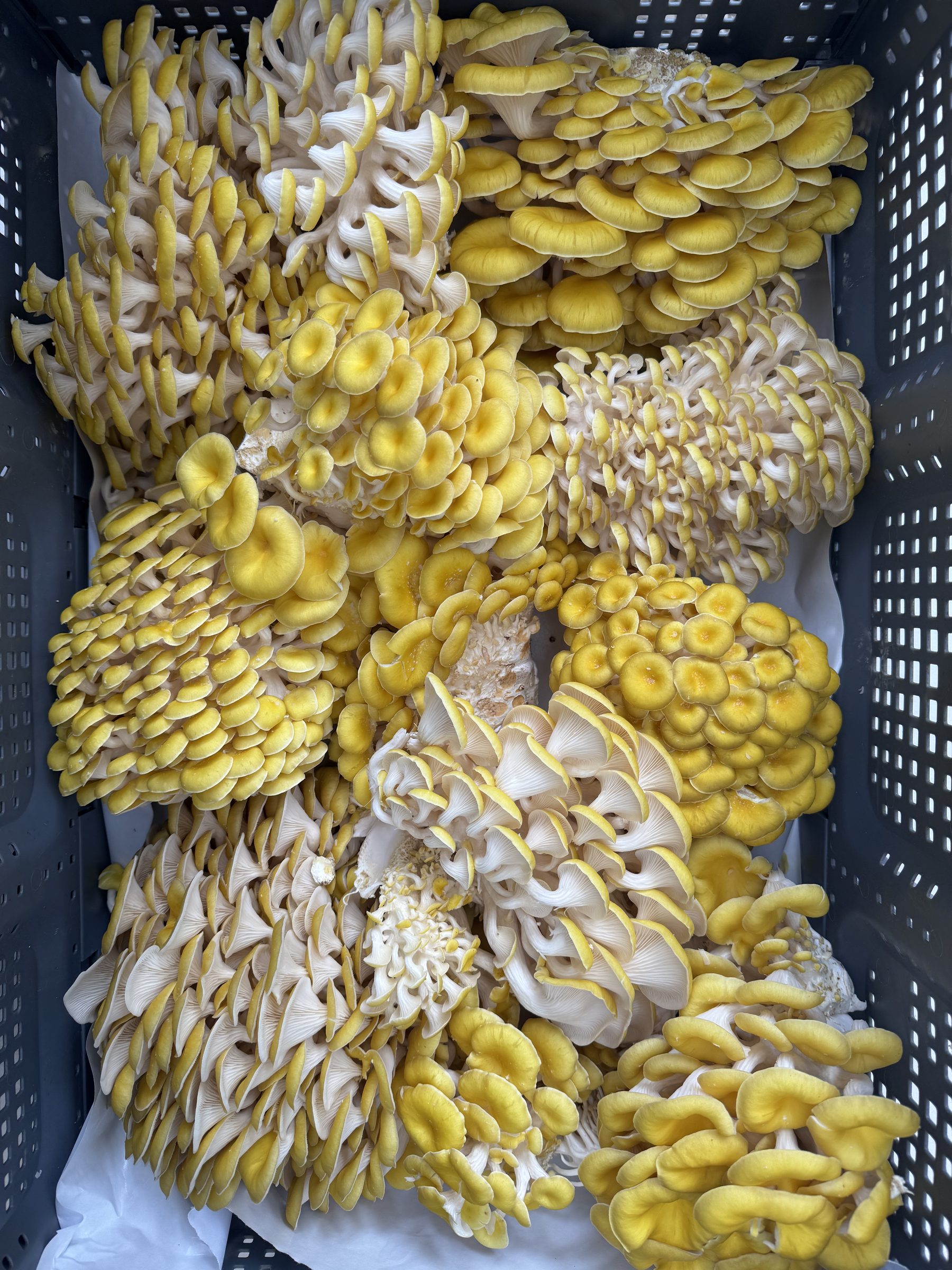
Oyster mushrooms are my favorite because they’re so versatile. You can use them in any meal. Their flavor and texture are incredible.
Growing for chefs, and for everyone else
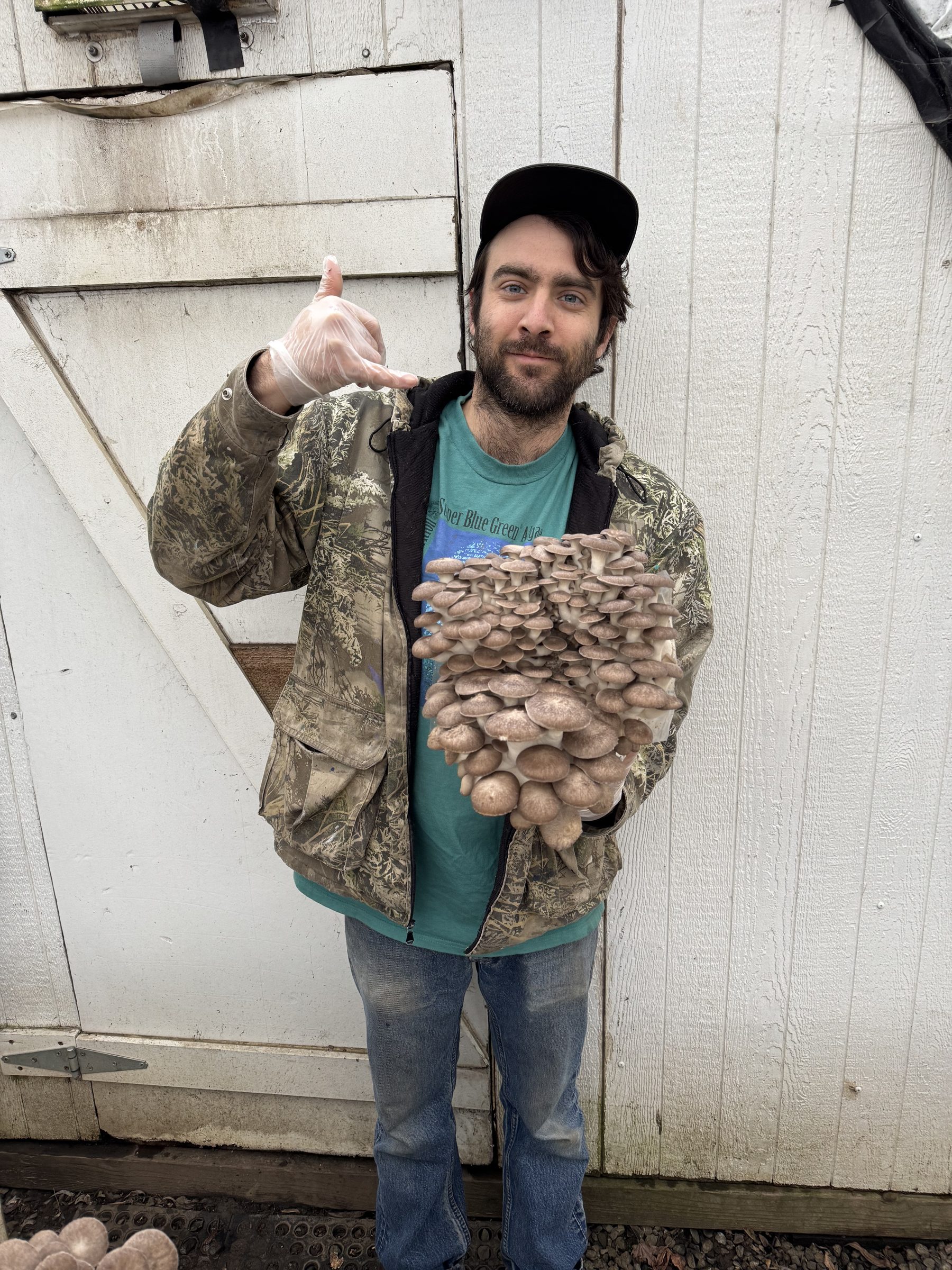
I grow a wide variety of mushrooms and a lot of it goes to restaurants. Chefs will ask for specific types to complement their menus, which means I get to cultivate some very specific varieties — things that can otherwise be hard to find. That is rewarding on its own. But I want to get these varieties in front of more people than that.
I’d love to have a facility that is made for producing super high quality, top shelf mushrooms. I want to see more local mushrooms in grocery stores. A lot of mushrooms are brought in from out of state or even out of the country. It would be awesome if we could supply our own community.
Why it all comes back to community
Communities of farmers, of friends, of foodies, of farmers’ market shoppers.
I grew up in Garden Home, very close to Hillsdale. My roots are in SW Portland. When I visit Hillsdale, that’s my stomping ground. I used to just daydream about getting into this year-round market where I’m from. I thought that would be coming full circle.
Now I’m there on Sundays. It’s like a dream come true.
How do we farm?
Every mushroom we sell is grown right here in Portland on blocks made from locally sourced sawdust. We inoculate the blocks, incubate them in a temperature controlled environment and grow them in a climate-controlled greenhouse. Everything is harvested by hand. When a block is spent it goes to another local farmer to be composted for their soil, for the regeneration of the land. The cycle repeats.
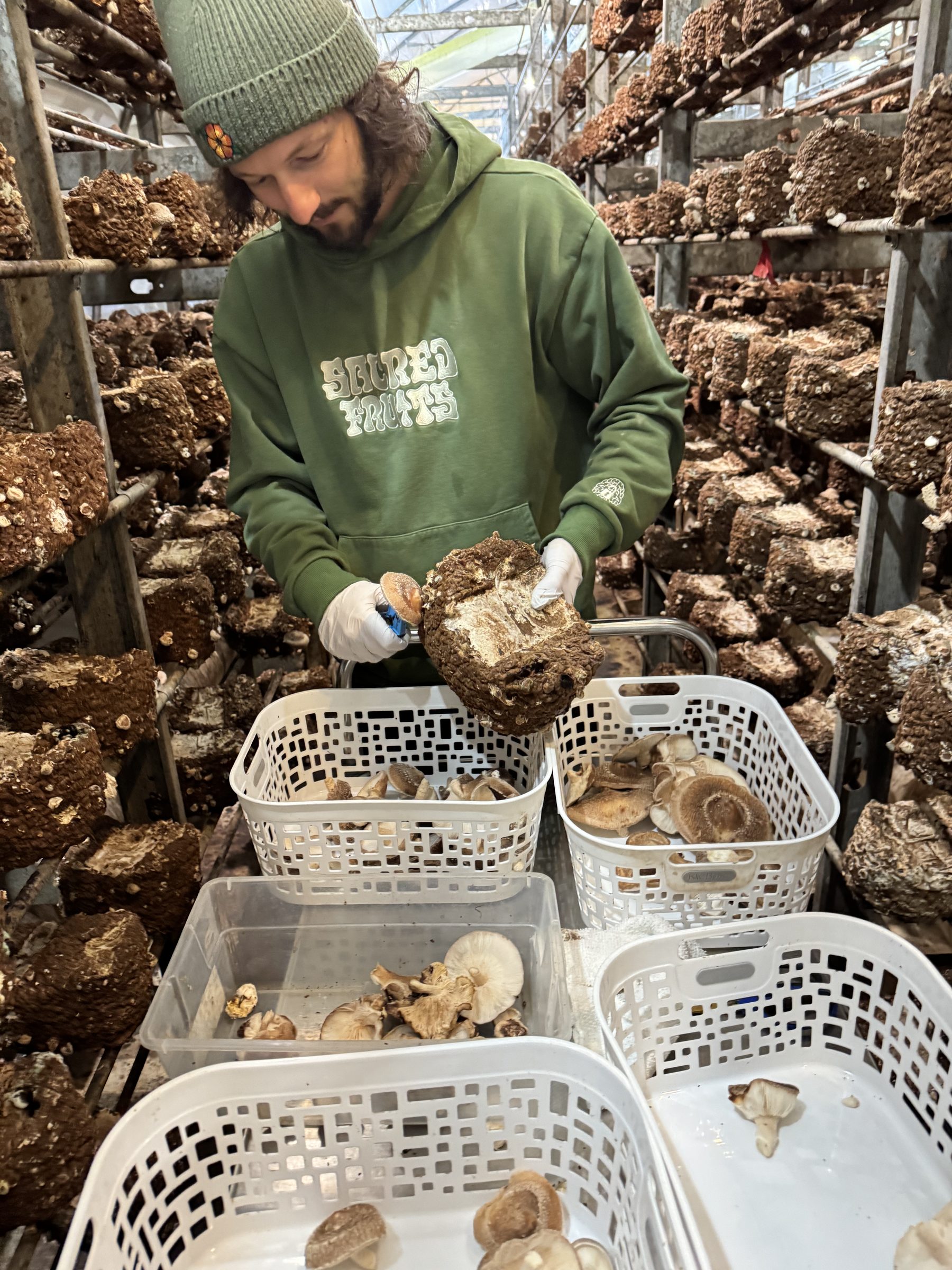
Sterile from the start
Every block gets inoculated in a lab-like space, with sterile equipment and strict protocols. It’s the only way to keep something I can’t see from taking a whole run.
Shepherding the mycelium
Mycelium reacts to microscopic particles in the air — bacteria, yeast, mold. My job is reading it every day and giving it what it needs.
Nothing goes to waste
When I’m done with a block, it goes to other farmers who can use it in their soil. Growing in the city, I don’t have space for waste.